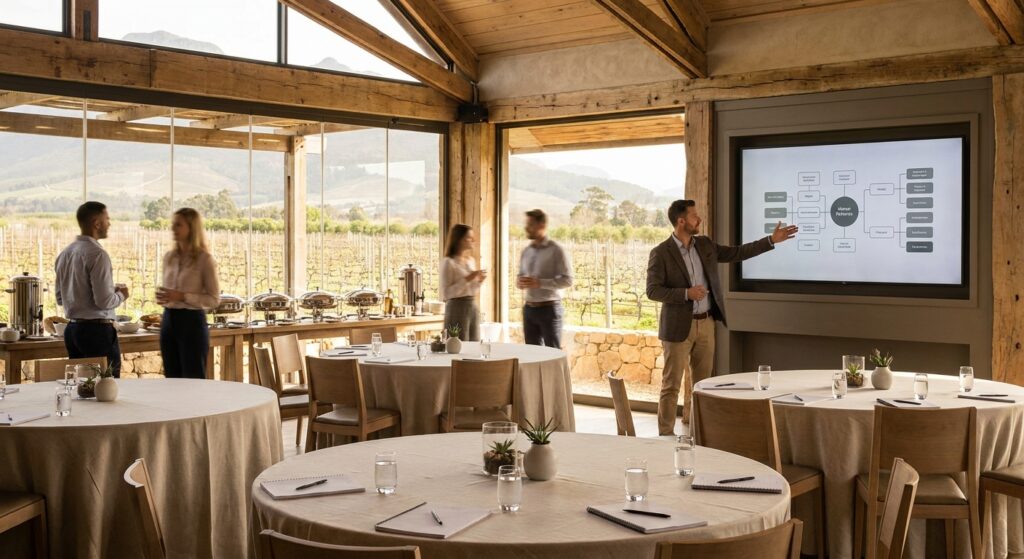
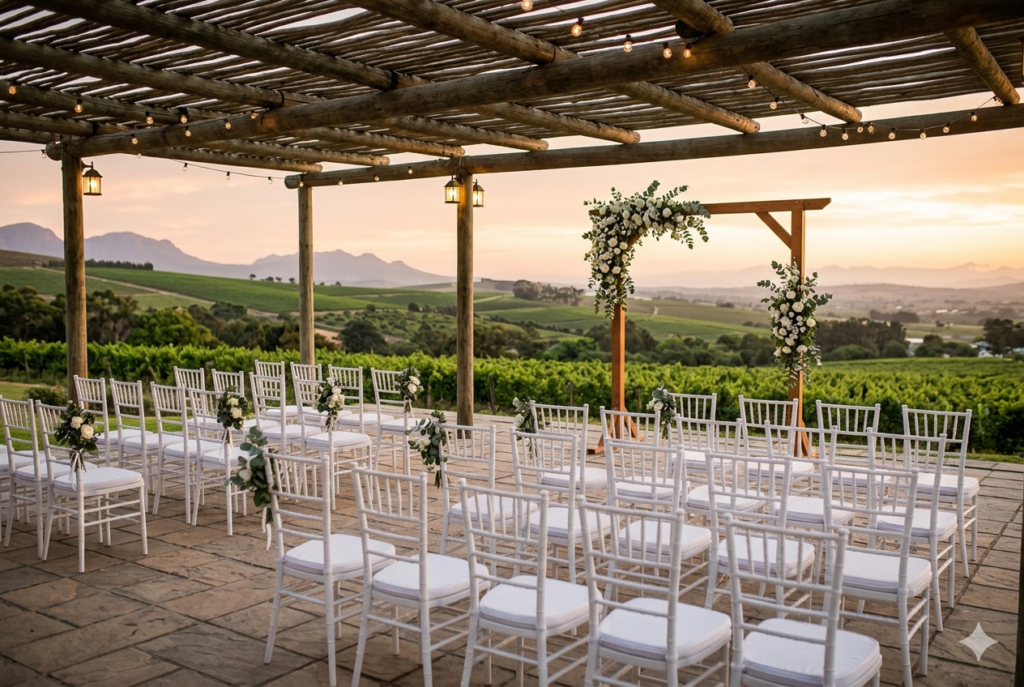
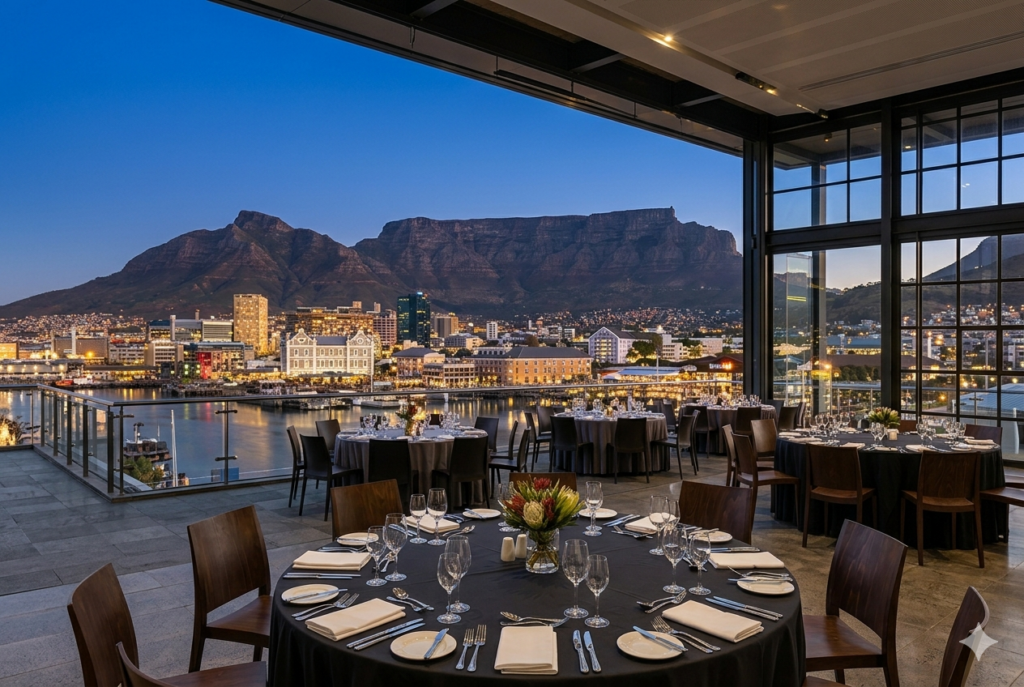
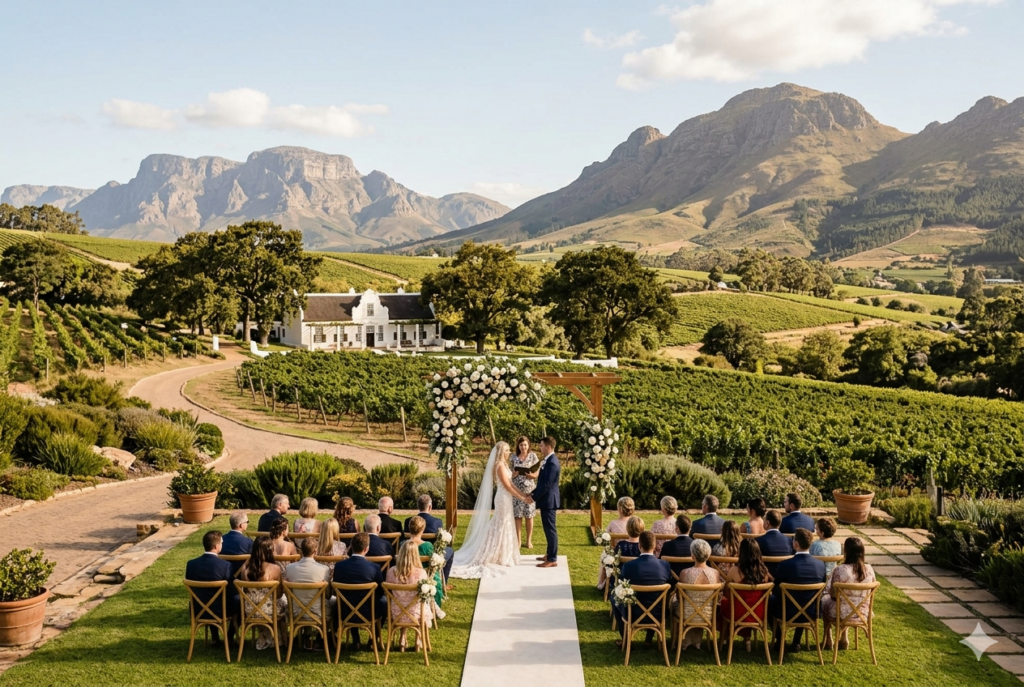
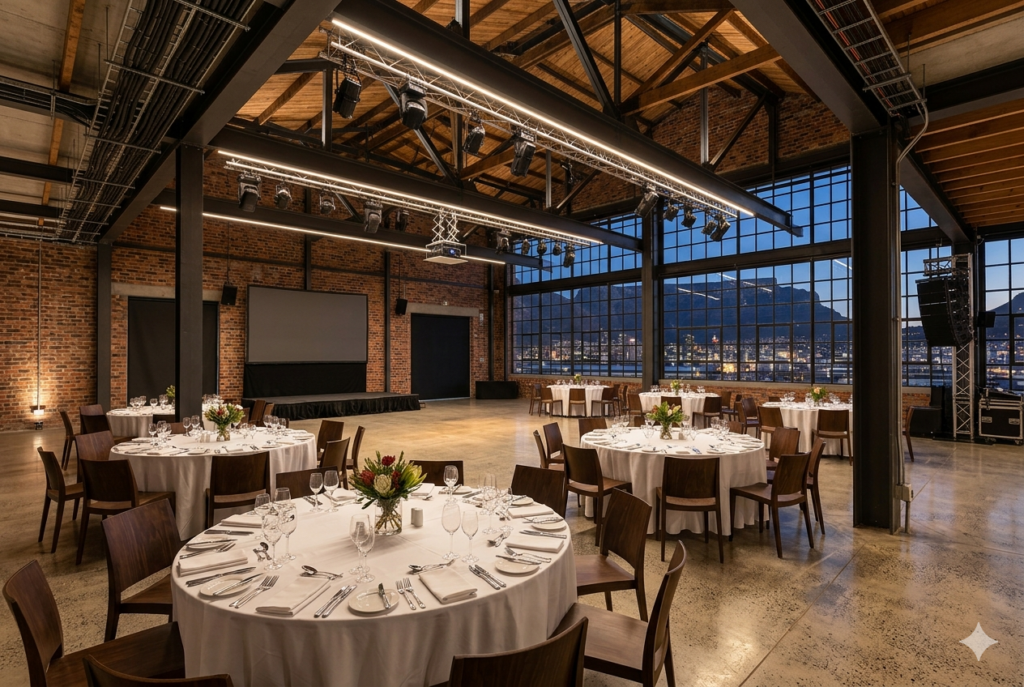
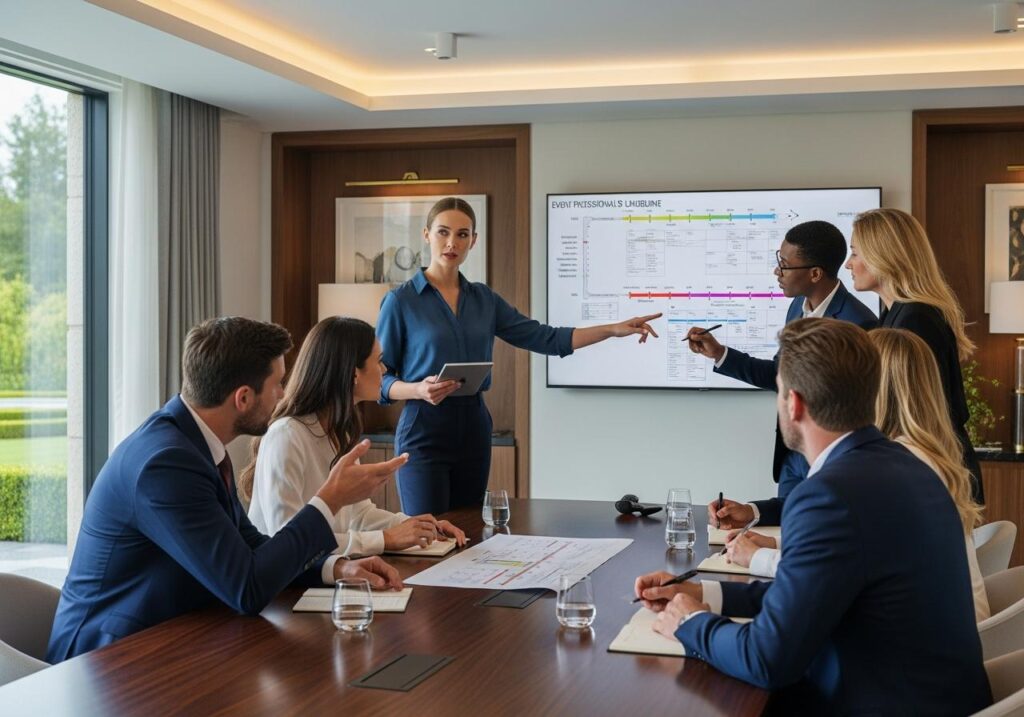
The Technical Verdict: Optimal venue selection is a function of capacity, location, and operational intent. For large-scale corporate galas, the V&A Waterfront offers high-capacity, full-service venues. The Cape Winelands provide an exclusive atmosphere for sophisticated events, while activity-based venues cater to dynamic team-building objectives. Strategic Venue Selection & Logistics Choosing the right venue starts by defining your event goals. Whether you’re planning a casual staff gathering, a formal awards ceremony, or a team-building event, your objectives will determine the venue’s layout, facilities, and logistics. It’s also essential to check capacity limits for seated, standing, or theatre-style setups to ensure safety, comfort, and a positive guest experience. Analysing Logistical and Technical Requirements Assess the venue’s technical setup, including reliable Wi-Fi and built-in AV equipment, to ensure smooth presentations and entertainment. Also consider accessibility for attendees, as locations outside central areas may require transport arrangements. During Cape Town’s peak season from November to February, booking early is essential to secure your preferred venue. Top-Rated Venues by Region The operational environment of your year-end function is heavily influenced by its geographical placement. Different regions within Cape Town offer distinct advantages and limitations regarding atmosphere, accessibility, and capacity. A thorough analysis of these regional characteristics is necessary to align the venue with your company’s logistical framework and event objectives. We will examine the core attributes of three primary zones: the V&A Waterfront and Atlantic Seaboard, the Cape Winelands, and the Northern Suburbs. V&A Waterfront & Atlantic Seaboard This region offers a wide range of professional venues suited to both large corporate events and smaller executive gatherings. Options include fine dining spaces with harbour views, flexible hotel venues, unique settings like the Two Oceans Aquarium, and boardrooms equipped with integrated AV facilities. These venues are characterised by their high operational readiness and proximity to central transport hubs. Cape Winelands (Stellenbosch, Franschhoek, & Constantia) The Cape Winelands offer a different operational calculus, prioritising atmosphere and exclusivity over high-volume accessibility. Estates in regions like Constantia, Stellenbosch, and Franschhoek provide scenic backdrops ideal for formal celebrations and sophisticated corporate retreats. Groot Constantia, South Africa’s oldest wine estate, delivers a setting of historical significance. Steenberg in Constantia offers two distinct restaurant venues: Tryn for formal functions and Bistro Sixteen82 for more relaxed team events, both catering to groups of 12 or more. For a more contemporary experience, Cavalli Wine & Stud Farm in Somerset West combines modern architecture with art and scenic views. These locations are well-suited for full-day events that might include wine tasting or other curated activities. The Franschhoek Wine Tram offers a unique logistical solution, allowing teams to visit multiple estates without private transport concerns, though tastings and meals are typically additional costs. Northern Suburbs & Durbanville Wine Valley The Northern Suburbs, including areas like Durbanville, Bellville, and Tygervalley, present a compelling performance-to-cost ratio for corporate functions. This region provides a strategic balance of accessibility, particularly from Cape Town International Airport, and professional facilities without the premium cost associated with the city bowl or Atlantic Seaboard. Venues like the Ruslamere Hotel & Conference Centre in Durbanville are specifically designed for corporate events, offering flexible room configurations, on-site catering, and free secure parking. Similarly, the New National Hotel in Parow is located near major corporate head offices and provides several modern venues, with its largest space accommodating up to 125 delegates. For smaller events, VinBoHo offers a conference venue for up to 40 seated delegates or 80 for standing functions, with customisable packages that include data projectors and Wi-Fi. This area is engineered for efficiency and practicality, making it a solid choice for training sessions, seminars, and internal corporate gatherings. Aligning Venue Selection with Team Dynamics & Event Objectives A successful year-end function should strengthen team cohesion, celebrate achievements, and align with your team’s culture and working style. Since every team operates differently, selecting the right venue and activity requires considering the team’s dynamics, event goals, and logistical requirements. The most effective options generally fall into three categories, each with its own operational, safety, and planning considerations: Choosing a venue that matches your team’s preferences and event objectives will help create a more engaging, organised, and memorable year-end celebration. Secure Your Ideal Cape Town Venue Before Peak Season Choosing the right environment for your year-end function is the blueprint for a successful event, but availability in Cape Town’s top-rated regions changes rapidly as the third quarter approaches. Securing a space that perfectly balances your team’s size, technical requirements, and cultural goals requires early planning. Don’t leave your team’s milestone celebration to the last-minute rush. Our corporate events team is ready to help you navigate regional logistics, map out custom packages, and lock down the perfect venue for your dates. Plan your event using the button below. FAQs What are the best small year-end function venues in Cape Town for teams under 20? For teams with fewer than 20 members, several venues offer intimate and exclusive settings. In the V&A Waterfront, the Cape Grace Boardroom provides a sophisticated space for up to 14 delegates with integrated AV facilities. For a more relaxed atmosphere, Sonder Cafe, with locations in Observatory and Bo-Kaap, is designed for small-scale events and allows for direct online booking. The Chef’s Studio on Bree Street offers an interactive cooking experience for a hands-on team event. How much does a year-end function in Cape Town typically cost per person? The cost per person for a year-end function in Cape Town varies significantly based on the venue, catering choices, and included activities. Set menus at restaurants can range from approximately R220 to over R750 per person for lunch or dinner, excluding drinks. All-inclusive packages for themed events or activities can range from around R945 to over R2,195 per person, depending on the complexity and exclusivity of the experience. Which Cape Town venues offer all-inclusive year-end party packages? Many venues provide all-inclusive packages to streamline the planning process. The Cape Milner Hotel, for example, offers packages that include a welcome drink, a three-course dinner, and venue hire for a minimum number of guests. Event management companies also specialise in creating themed all-inclusive packages, such as a “Tropicana” themed pool party or a “Great Gatsby” dinner dance, which bundles the venue, catering, decor, and entertainment. When should I start booking a year-end function venue in Cape Town to avoid the rush? To secure a desirable venue, especially for a function