
With over 15,000 annual weddings in the Western Cape, the challenge isn’t finding a venue; it’s navigating the overwhelming surplus of options. Endless scrolling often leads to more confusion than clarity.
Most couples make the mistake of searching without a strategy. This guide provides a professional framework to filter the noise and find a venue perfectly aligned with your vision, budget, and guest list.
Why Your Venue is the Single Most Important Wedding Decision
Before we go any further, you need to understand this: your venue choice dictates everything else. It sets the tone for your entire wedding day. It determines your maximum guest count, influences your choice of photographer, and forms the largest single component of your budget.
Get this decision right, and every other piece of the planning puzzle falls into place more easily. Get it wrong, and you will face compromises and logistical headaches for months.
First, Define Your Wedding Vision: The 3 Core Pillars
You cannot find what you’re looking for until you know what it is. Before you even open a new browser tab, sit down with your partner and get absolute clarity on these three pillars. These are your non-negotiables.
Pillar 1: Your Wedding Style
Are you dreaming of a rustic celebration under the stars, a glamorous affair with ocean views, or a chic, modern party? Your style is the primary filter.
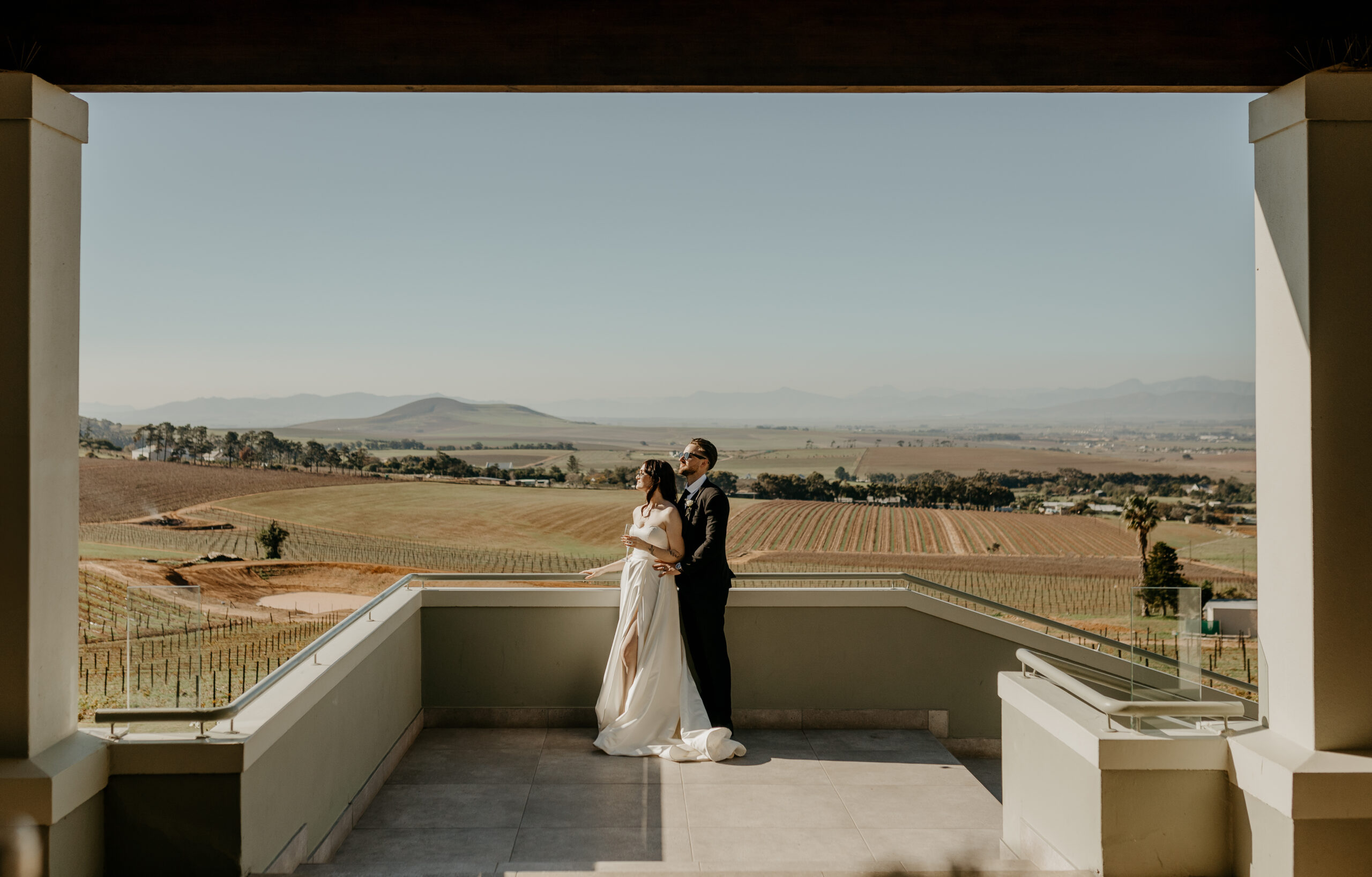
- The Classic Winelands Estate: Think rolling vineyards, historic Cape Dutch architecture, and elegant banquet halls. This style is timeless and quintessentially “Cape Town.”
- The Relaxed Beach Celebration: Imagine saying your vows with your toes in the sand, followed by a cocktail reception watching the sunset over the Atlantic.
- The Modern Urban Chic: This involves converting an industrial space, an art gallery, or a stylish city restaurant into a unique, contemporary wedding setting.
Pillar 2: Your Guest Count
This is a matter of simple logistics. Falling in love with a venue that can only host 60 people when your guest list is 120 is a waste of your time and emotional energy.
- Intimate (Under 60 guests): Opens up options like exclusive-use villas, private restaurant dining rooms, and boutique hotels.
- Medium (60-120 guests): This is the sweet spot for most dedicated wedding venues in Cape Town.
- Grand (120+ guests): Your search will be limited to larger wine estates and specialized function venues with the capacity and infrastructure to handle a large crowd.
Pillar 3: Your Budget
The venue and catering will likely consume 40–50% of your total wedding budget. In Cape Town, venue hire fees can range from R30,000 to over R150,000 before you even add a single plate of food. Be honest about what you can afford; this will tell you whether to look at all-inclusive packages or “dry-hire” options.
A Breakdown of Cape Town’s Top Wedding Venue Types
Cape Town is unique because it doesn’t offer just one “look”;it offers a world of them within a 50-kilometer radius. Depending on where you point your compass, you can find historic architecture, rugged coastlines, or industrial-chic lofts. Choosing the right category is about more than just aesthetics; it’s about matching the environment to the energy of your celebration. Below is a breakdown of the four most sought-after venue styles in the Mother City to help you narrow your search.
The Iconic Cape Winelands Venues
Regions like Stellenbosch, Franschhoek, Paarl, and Durbanville are packed with world-class venues.
- Pros: Unmatched scenic beauty and exceptional food.
- Cons: Higher price point and travel time for city-based guests.
The Breathtaking Beach and Coastal Venues
From Camps Bay to the West Coast, these offer a backdrop that needs little decoration.
- Pros: Relaxed atmosphere and incredible photos.
- Cons: The wind. You absolutely must have a solid, weatherproof backup plan.
The Sophisticated Urban and City Venues
Think converted warehouses in Woodstock or rooftop bars with Table Mountain views.
- Pros: Highly convenient for guests and unique settings.
- Cons: Limited space and potential noise curfews.
The All-in-One Solution: Versatile Function Venues
This is often the smartest choice for couples wanting beauty without the extreme price tag. Venues like Eureka Estate in the Durbanville valley offer a “blank canvas” approach, combining winelands appeal with the flexibility of a dedicated events space.
7-Point Checklist for Vetting Any Venue
Go armed with this checklist to avoid costly surprises:
- Inclusions: What precisely is included? (Tables, chairs, cutlery, staff?)
- Suppliers: Is there a mandatory preferred supplier list?
- Alcohol: What is the corkage fee if you bring your own wine?
- Weather: What is the specific Plan B for rain or high winds?
- Curfews: Are there noise restrictions in the area?
- Policies: What are the specific cancellation and postponement terms?
- Real Examples: Can I see photos from a real wedding here, not just a styled shoot?
Ready to Start Your Venue Search?
Now that you have the framework and the checklist, it’s time to move from planning to action. Start by shortlisting three venues that align with your core pillars and book your site visits as soon as possible to secure your preferred date.
FAQs
How much does a wedding venue cost in Cape Town?
Venue costs vary widely. Expect to pay anywhere from R30,000 for a basic dry-hire space to over R150,000 for an exclusive, all-inclusive package at a premium wine estate. The average for a quality venue for 80–100 guests often fall between R60,000 and R90,000 for the hire alone.
What is the best month to get married in Cape Town?
The most popular months are November to March for warm, dry weather. For better value, consider the “shoulder” months of October and April, which still offer pleasant weather but often come with lower rates.
What is a “dry hire” wedding venue?
A dry hire venue means you are only renting the physical space. You are responsible for bringing in everything: tables, chairs, catering, staff, and décor. It offers maximum flexibility but requires significantly more planning.
How far in advance should I book?
For popular Winelands venues, I recommend booking 12 to 18 months in advance. Prime summer Saturdays are secured very quickly. If you are flexible or choosing a weekday, 9–12 months may suffice.
Are all-inclusive wedding venues worth it?
For many, yes. They streamline the process by bundling catering, staffing, and furniture. While the initial cost seems higher, it often provides better value and saves you the stress of managing dozens of individual suppliers.